Quick answer
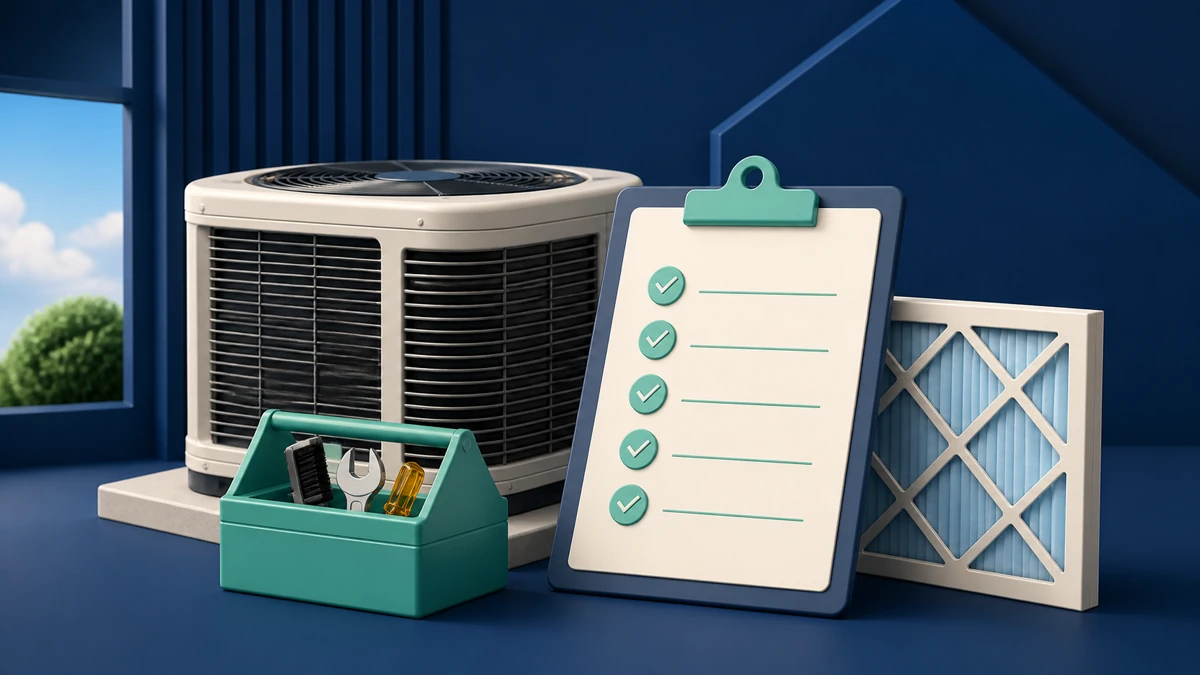
Check the air filter, thermostat, supply and return vents, condensate drainage you can safely access, and the outdoor unit throughout the season. Arrange qualified maintenance on a regular schedule and call for service when you notice unsafe operation, persistent comfort problems, unusual noise, icing, water leakage or rising energy use.
Monthly or during heavy-use periods
- Inspect the filter and replace or clean it according to the equipment and filter instructions.
- Keep return grilles and supply registers open and unobstructed.
- Check whether rooms are heating or cooling unevenly.
- Watch for new odors, vibration, short cycling or unusual noise.
- Confirm the thermostat display and schedule are working as intended.
Outdoor-unit checks
Turn off power only when the manufacturer or a professional instructs you to do so. From a safe distance, keep leaves, grass and stored items away from the outdoor unit. Do not bend fins, open panels or spray electrical components. Restricted airflow can reduce performance, but aggressive cleaning can damage equipment.
Condensate and moisture
Cooling systems and high-efficiency equipment can create condensate. Look for water where it does not belong, a repeatedly full drain pan, staining or an active leak. Shut the system down when continued operation could cause damage and contact a qualified technician. Do not treat persistent moisture as a cosmetic issue.
What professional maintenance may include
Service scope varies by equipment, but a qualified technician may inspect controls, electrical connections, airflow, refrigerant performance, condensate handling, combustion safety, venting and system operation. Ask for a written description of what is included rather than relying on the word “tune-up.”
When to start planning replacement
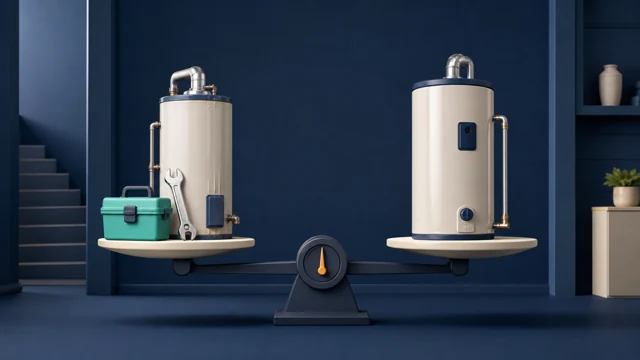
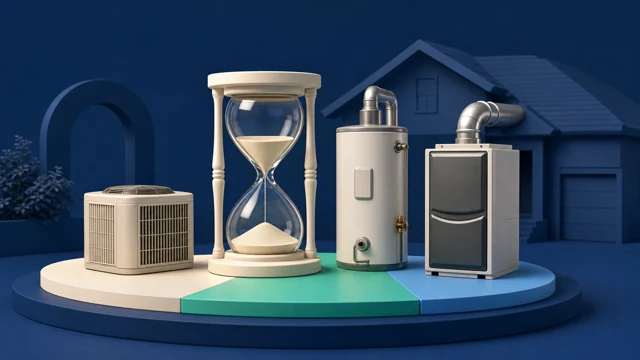
ENERGY STAR recommends considering professional evaluation when heating or cooling equipment is more than 10 years old, needs frequent repairs, produces rising energy bills or no longer keeps the home comfortable. Age alone does not force replacement, but it is a reason to compare repair risk, efficiency, comfort and available options before an emergency failure.
Use our repair-or-replace framework and include the project in your home maintenance budget.
Questions to ask an HVAC contractor
- What problem did you diagnose, and what measurements support it?
- Which parts are failing versus merely old?
- Is the system correctly sized and are ducts contributing to the problem?
- What is included in the repair or replacement quote?
- Are permits, disposal, electrical work and controls included?
- What maintenance does the warranty require?
Safety boundaries
Stop and seek professional help for suspected gas leaks, combustion odors, carbon-monoxide alarms, scorched wiring, repeated breaker trips, refrigerant leaks or unsafe venting. Follow local licensing and permit rules. Homeowner maintenance should never bypass safety controls or expose live electrical components.
Frequently asked questions
How often should I change the HVAC filter?
Follow the filter and equipment instructions and inspect more often during heavy use, renovation, wildfire smoke or high indoor dust. A fixed schedule is less useful than checking actual condition.
Does annual service guarantee the system will not fail?
No. Maintenance can identify problems and support performance, but it cannot eliminate age, defects or unexpected failures.
Should I close vents in unused rooms?
Closing many vents can change system pressure and airflow. Ask a professional about zoning or balancing instead of using closed registers as a permanent strategy.
Research transparency
How this guide was prepared
This guide summarizes publicly available U.S. government, regulator or industry-source material listed below. It explains planning concepts and questions to verify; it does not provide a property-specific quote, inspection, coverage decision, legal opinion or tax advice.
Sources and references
- Heat and cool efficiently — ENERGY STAR
- When is it time to replace? — ENERGY STAR
- Home Energy Checklist — U.S. Department of Energy
Sources were checked for this guide on July 27, 2026. Policy terms, tax rules and local prices can change.
General-information disclaimer
This guide is for general planning only. It is not a quote, policy interpretation, legal advice, tax advice, engineering advice or a substitute for a licensed professional who can review your property and documents.