Quick answer
Repair often makes sense for a newer system with a clear, isolated problem. Replacement becomes more reasonable when the system is old, unreliable, inefficient, unsafe or facing a repair that is large relative to replacement cost.
Decision factors
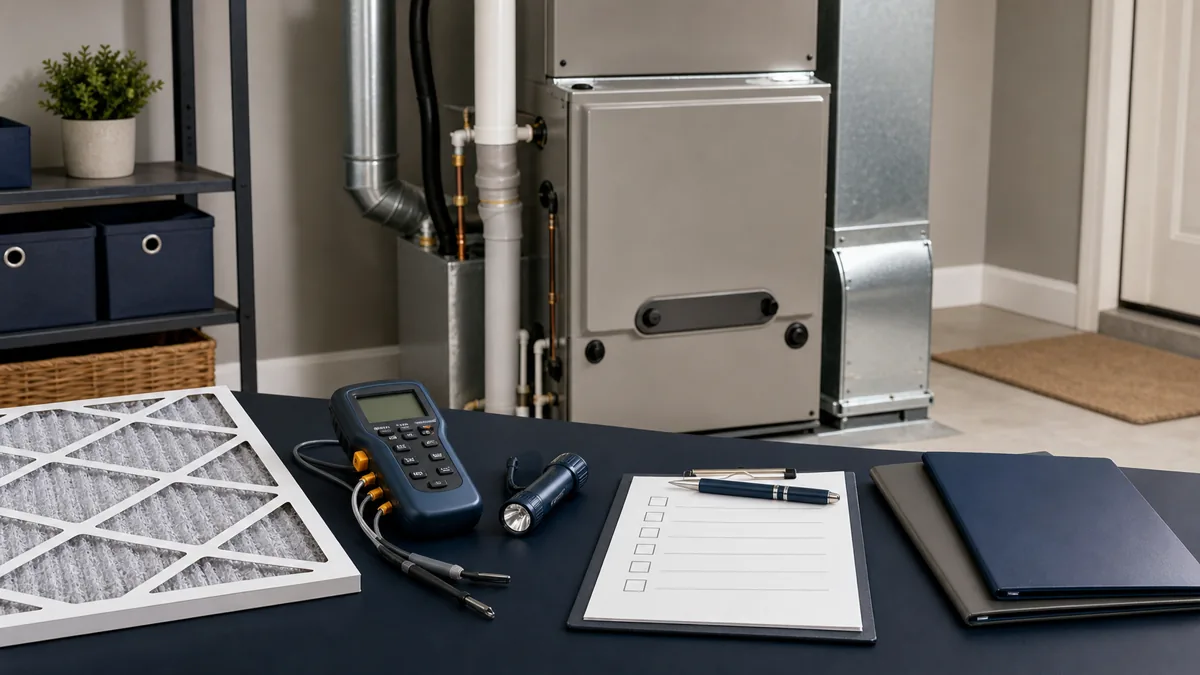
Consider system age, repair history, refrigerant type, comfort problems, utility bills, safety concerns and whether parts are readily available.
| Factor | Repair may fit | Replace may fit |
|---|---|---|
| Age | System is within expected life | System is near or past expected life |
| Repair cost | Small isolated repair | Major component failure |
| Reliability | First issue in years | Repeated service calls |
| Comfort | Home still heats and cools evenly | Hot or cold rooms persist |
Safety and licensed work
Electrical, refrigerant, combustion and venting issues can be dangerous. Use qualified HVAC professionals and follow local requirements.
Budget planning
If the system is aging but still working, start setting aside a replacement reserve instead of waiting until a no-heat or no-cooling emergency.
Start with a diagnosis, not a sales rule
Ask for the failed part, the reason it failed, the proposed repair, the warranty on that repair and the likelihood of another major failure. A simple age-based rule can be misleading because two systems of the same age may have very different condition, installation quality and maintenance history.
Compare the full repair and replacement cost
A replacement quote should identify equipment, efficiency rating, sizing method, labor, permits, controls, electrical work, drain or vent changes, disposal, warranty and any ductwork that is excluded. A low headline price may not be comparable with a more complete quote.
For a repair, ask whether the amount is being spent on a component that supports several more reliable years or only restores a system that has repeated failures. Include the cost of temporary heating, cooling or lodging when an emergency breakdown would be difficult for the household.
Include comfort and operating problems
- Rooms that remain hot, cold or humid even after normal service.
- Short cycling, long run times or frequent thermostat adjustments.
- Noise, vibration, odors or condensate problems.
- Utility use that rises without a clear weather or rate explanation.
These problems do not automatically require replacement. They may also result from duct leakage, insulation, airflow, controls or incorrect sizing, so diagnosis matters.
Get more than one comparable quote
Provide each contractor with the same basic request and ask for written scope, model numbers and exclusions. Confirm licensing, insurance, permit responsibility and warranty terms where applicable. Avoid comparing only the monthly financing payment; compare the total price and financing terms separately.
Plan the timing
An aging system that still operates gives the owner time to research equipment, improve ducts or insulation, compare contractors and arrange financing. Waiting for a peak-season failure can reduce choices. A reserve plan also makes it easier to reject pressure-based decisions during an emergency.
Frequently asked questions
Does a high repair bill always mean replacement?
No. Consider remaining condition, reliability, safety, comfort, parts availability and the complete replacement scope.
Should efficiency savings justify the entire replacement?
Estimated savings can support a decision, but they depend on climate, rates, usage, equipment sizing and the condition of the building. Treat sales projections as assumptions to verify.
Methodology and limitations
HomeCostBrief uses dated sources and explains assumptions, geography, property condition and exclusions where they materially affect a planning range.
Sources and references
- Energy Saver heating and cooling, U.S. Department of Energy
HomeCostBrief Editorial Team
This guide is prepared by the HomeCostBrief Editorial Team using cited sources, transparent assumptions and a general-information standard.
Read about the editorial team or report an issue through Corrections.
General-information disclaimer
This guide is general planning information only. It is not a quote, appraisal, inspection, insurance recommendation, legal advice, tax advice, engineering advice or contractor recommendation.
Corrections
See something that should be updated? Email contact@homecostbrief.com or visit Corrections.