Quick answer
For current federal rules, Section 1031 generally applies only to qualifying real property held for business or investment. In a deferred exchange, replacement property must generally be identified within 45 days and received within 180 days or the earlier applicable return deadline. Professional planning must begin before the sale closes.
What a 1031 exchange can and cannot do
The exchange can defer recognition of some gain when statutory and regulatory requirements are met. The basis of the replacement property generally carries deferred gain forward, so the tax is postponed rather than automatically forgiven.
Real property held primarily for sale and personal-use property do not qualify in the same way as investment or business real estate. Intent, use and documentation matter.
Why timing must be planned before closing
In a typical deferred exchange, the taxpayer cannot simply receive sale proceeds and later decide to reinvest them. A qualified intermediary is commonly used to hold proceeds and facilitate the exchange without the taxpayer taking actual or constructive receipt.
The intermediary agreement and assignment steps should be completed before the relinquished property closes. Choosing an unqualified or financially weak intermediary creates tax and custody risk.
Understand the 45-day and 180-day periods
Replacement property is generally identified in a signed written manner within 45 days after transfer of the relinquished property. Acquisition generally must occur by 180 days or the due date of the return, including the applicable rule for extensions, if earlier.
These are calendar-day deadlines and are not casually extended for weekends or ordinary transaction delays. Identification rules can also limit the number or value of properties listed.
Like-kind is broad for real estate but not unlimited
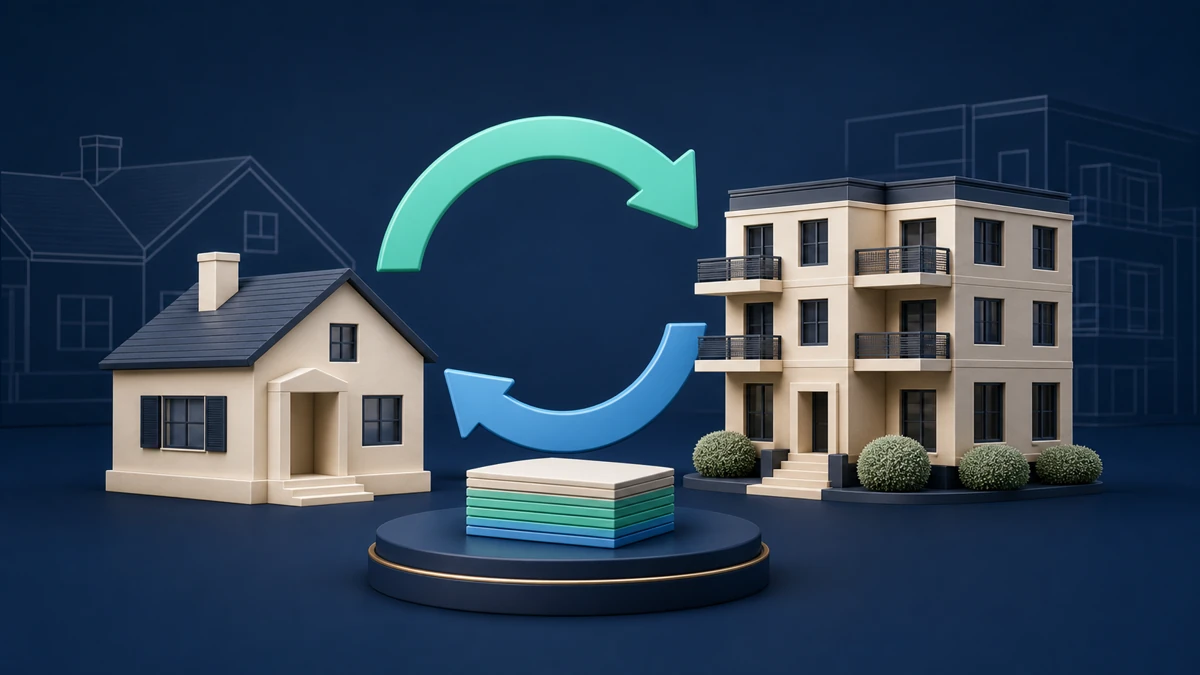
U.S. investment real property can often be like-kind to other U.S. investment real property even when the property types differ, such as land and a rental building. U.S. and foreign real estate are not like-kind to each other.
Personal property such as furniture does not receive current Section 1031 treatment merely because it transfers with the building. Allocation in the purchase agreement can affect reporting.
Model cash, debt and future basis
Receiving cash or nonqualifying property, or reducing debt without sufficient replacement consideration, can create recognized gain. Transaction costs and closing adjustments require careful classification.
Before proceeding, model estimated gain, depreciation recapture, replacement basis, financing and exit plan with a tax professional. A weak replacement purchase can cost more than the tax deferral is worth.
1031 Exchange for Rental Property checklist
- Confirm the property is held for business or investment
- Choose advisers and intermediary before closing
- Track the 45-day identification deadline
- Track the 180-day exchange deadline
- Model cash, debt and replacement basis
- Retain agreements, notices and closing statements
Frequently asked questions
Can I sell a rental and buy a primary residence through 1031?
A personal residence is not qualifying replacement property merely because it is real estate. Mixed and later-conversion situations need professional analysis.
Does a 1031 exchange eliminate depreciation recapture?
It may defer recognized gain when requirements are met, but tax attributes generally carry into the replacement property.
Can I hold the sale proceeds myself?
Taking actual or constructive receipt can disqualify a deferred exchange. Qualified-intermediary planning is commonly used before closing.
Research transparency
How this guide was prepared
This guide summarizes publicly available U.S. government, regulator or industry-source material listed below. It explains planning concepts and questions to verify; it does not provide a property-specific quote, inspection, coverage decision, legal opinion or tax advice.
Sources and references
- Like-kind exchange real-estate tax tips — Internal Revenue Service
- Instructions for Form 8824 — Internal Revenue Service
- Sales and dispositions, Publication 544 — Internal Revenue Service
Sources were checked for this guide on July 27, 2026. Policy terms, tax rules, insurance forms, incentives and local requirements can change.
General-information disclaimer
This guide is for general planning only. It is not a quote, policy interpretation, legal advice, tax advice, engineering advice or a substitute for a licensed professional who can review your property and documents.